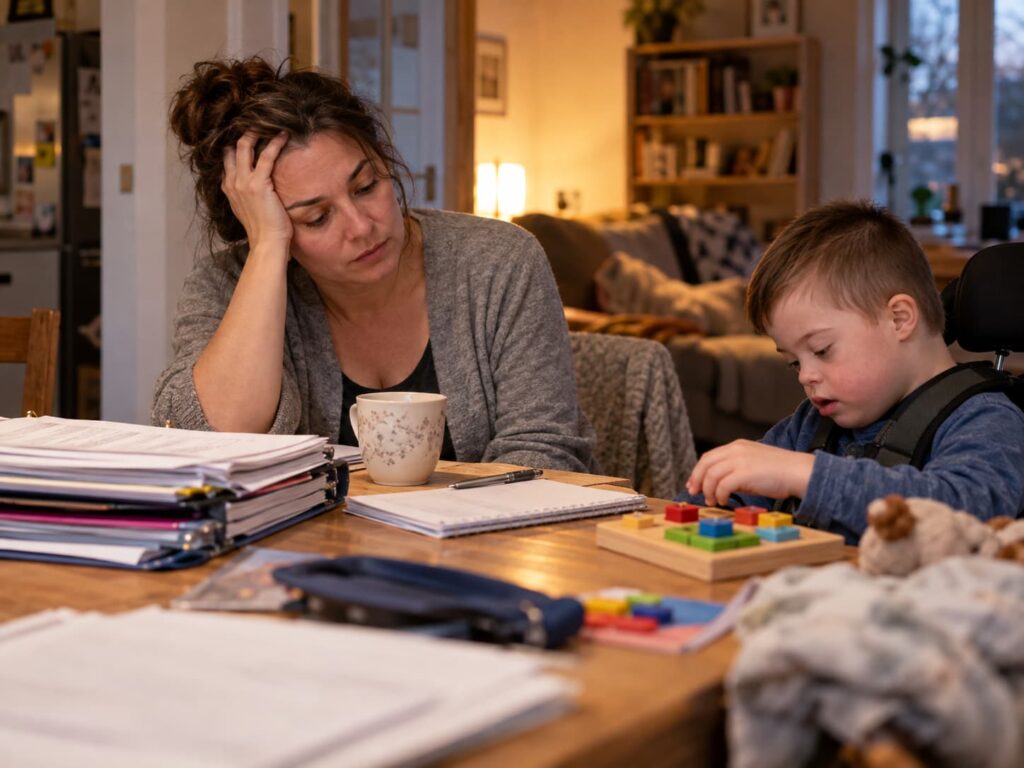
Parental Burnout Among Families Raising Children With Special Needs
Raising a child with special needs often involves responsibilities that extend far beyond ordinary parenting. Medical appointments, therapy sessions, school meetings, and daily care routines can leave parents with little time to recover. When these demands continue without adequate support, exhaustion may develop into parental burnout, a condition marked by overwhelming fatigue, emotional distancing, and a reduced sense of effectiveness as a parent.
Unlike temporary tiredness, burnout rarely disappears after a good night’s sleep. Parents may wake up already exhausted, struggle to enjoy activities they once valued, or feel overwhelmed by relatively small problems. These reactions do not reflect a lack of love for their children. They often indicate that caregiving demands have exceeded the emotional and practical resources available.
Families raising children with autism, cerebral palsy, intellectual disabilities, or complex medical conditions may face different challenges, but several pressures are common. Parents frequently coordinate healthcare providers, communicate with teachers, manage insurance claims, and advocate for appropriate educational services. Many also provide hands-on assistance with eating, bathing, mobility, or communication. These responsibilities can continue for years, with few predictable opportunities for rest.
Interrupted sleep is another important contributor. Some children require overnight monitoring, medication, assistance with positioning, or support during periods of distress. Repeated nighttime disruptions can leave caregivers chronically sleep-deprived, affecting concentration, patience, and emotional regulation. Even when a child sleeps through the night, parents may remain alert because they anticipate emergencies or unexpected changes in their child’s condition.
Financial pressure can intensify exhaustion. Specialized equipment, transportation, therapy, and childcare may create expenses that are not fully covered by insurance or public programs. At the same time, parents sometimes reduce working hours or leave employment to accommodate caregiving responsibilities. Losing income while facing additional costs can make professional support or occasional childcare difficult to afford.
The psychological impact often develops gradually. A parent who previously managed demanding routines may become unusually irritable, withdraw from friends, or lose interest in personal activities. Feelings of guilt can make matters worse, particularly when caregivers believe they should remain patient and grateful regardless of their circumstances. Comparing their family with others may reinforce the impression that they are somehow failing.
Research published in the Journal of Autism and Developmental Disorders in January 2026 examined relationships between psychological flexibility, emotional reactivity, and parental burnout among parents of autistic children. The study highlights how emotional responses and the ability to adapt to difficult experiences are relevant to caregiver exhaustion. However, burnout cannot be explained solely by individual coping skills, especially when families face persistent shortages of practical support.
Parental burnout can also affect relationships within the household. Partners may have little time together beyond discussing appointments and responsibilities, while siblings may receive less attention than they need. Disagreements over caregiving duties can increase tension, especially when one parent carries most of the organizational work. Recognizing these patterns early allows families to redistribute responsibilities before resentment becomes deeply established.
Access to reliable respite care is one of the most practical forms of prevention. Respite services provide temporary care for a child so that parents can rest, attend appointments, maintain relationships, or simply spend time away from caregiving responsibilities. The CDC identifies respite care as an important resource for families supporting people with disabilities. Depending on local availability, services may be provided at home, through community organizations, or in specialized programs.
Finding appropriate respite care is not always straightforward. Children with complex medical or communication needs may require trained caregivers, and some programs have waiting lists or eligibility restrictions. Parents can begin by contacting their state’s developmental disabilities agency, local disability organizations, or their child’s healthcare team. Before arranging care, families should confirm staff training, emergency procedures, accessibility, and the child’s individual support needs.
Smaller adjustments can also reduce pressure. Sharing appointment scheduling, paperwork, transportation, and household tasks prevents one person from becoming responsible for every decision. Relatives or friends who cannot provide specialized care may still help with groceries, meals, laundry, or looking after siblings. Specific requests are often more effective than general offers of help because they identify tasks that someone else can realistically complete.
Mental health support deserves the same attention as physical exhaustion. Persistent hopelessness, anxiety, sleep disturbances, or emotional numbness may indicate that professional assessment is needed. A psychologist, counselor, or social worker familiar with disability-related caregiving can help parents address guilt, establish boundaries, and develop realistic coping strategies. Depression and parental burnout can overlap, but they are not identical, making an accurate assessment important.
Schools and healthcare providers also have responsibilities in preventing caregiver overload. Clear communication, coordinated appointments, accessible information, and consistent educational support can reduce the administrative burden placed on families. When parents repeatedly have to explain the same needs to different professionals, valuable time and energy are lost. Better coordination can make everyday caregiving more manageable without reducing the quality of support children receive.
Parents should also be able to maintain identities beyond their caregiving roles. Friendships, physical activity, employment, creative interests, and time with a partner contribute to emotional well-being. These activities are not rewards that must be earned by completing every caregiving task. They are ordinary human needs that deserve consideration when families and professionals develop long-term support plans.
Preventing parental burnout requires more than encouraging caregivers to practice self-care. Families need dependable services, affordable assistance, flexible workplaces, and opportunities for genuine rest. When adequate support becomes part of everyday life, parents have a better chance of protecting their own mental health while continuing to provide attentive, sustainable care for their children.